14th October 2026–30th January 2027
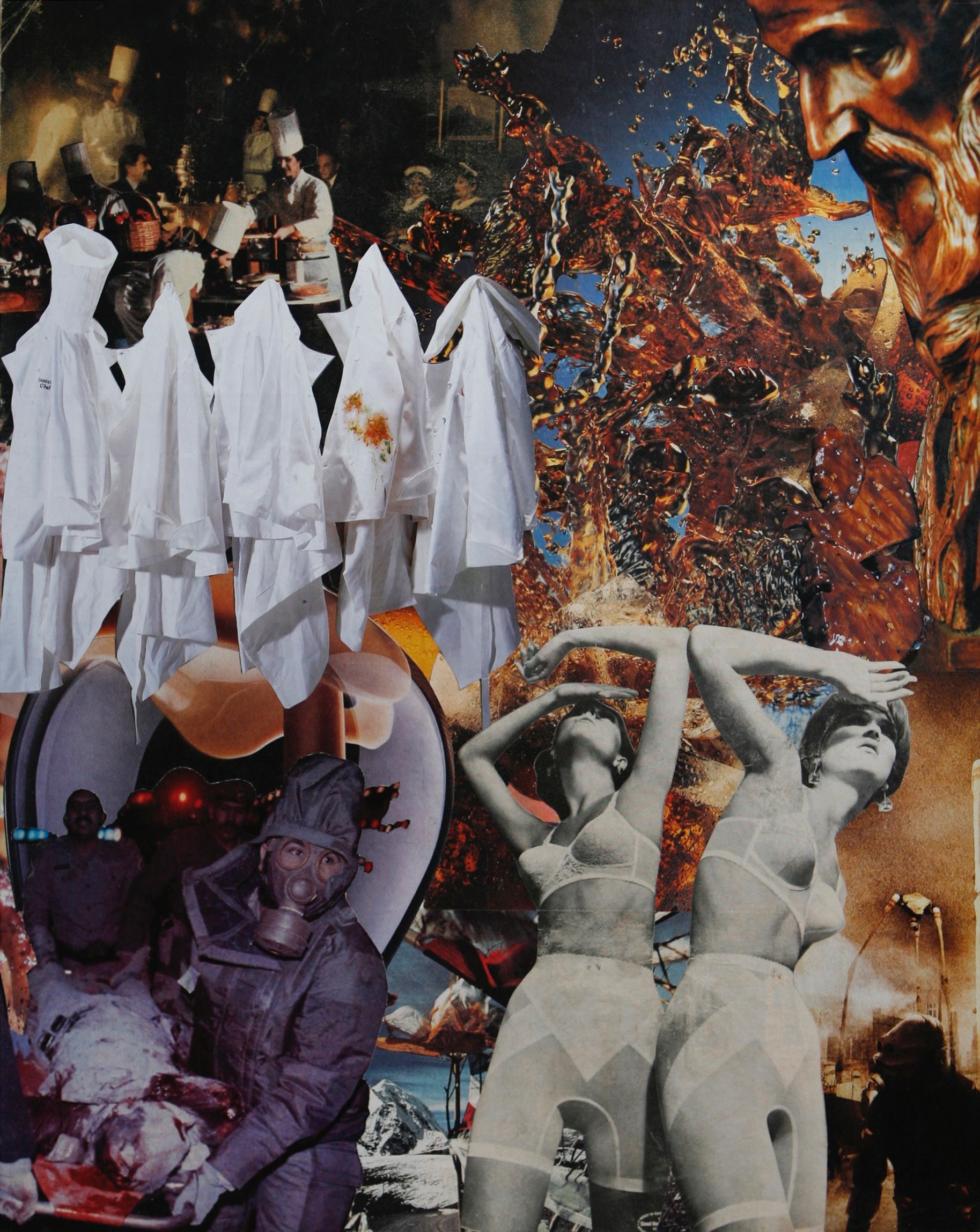
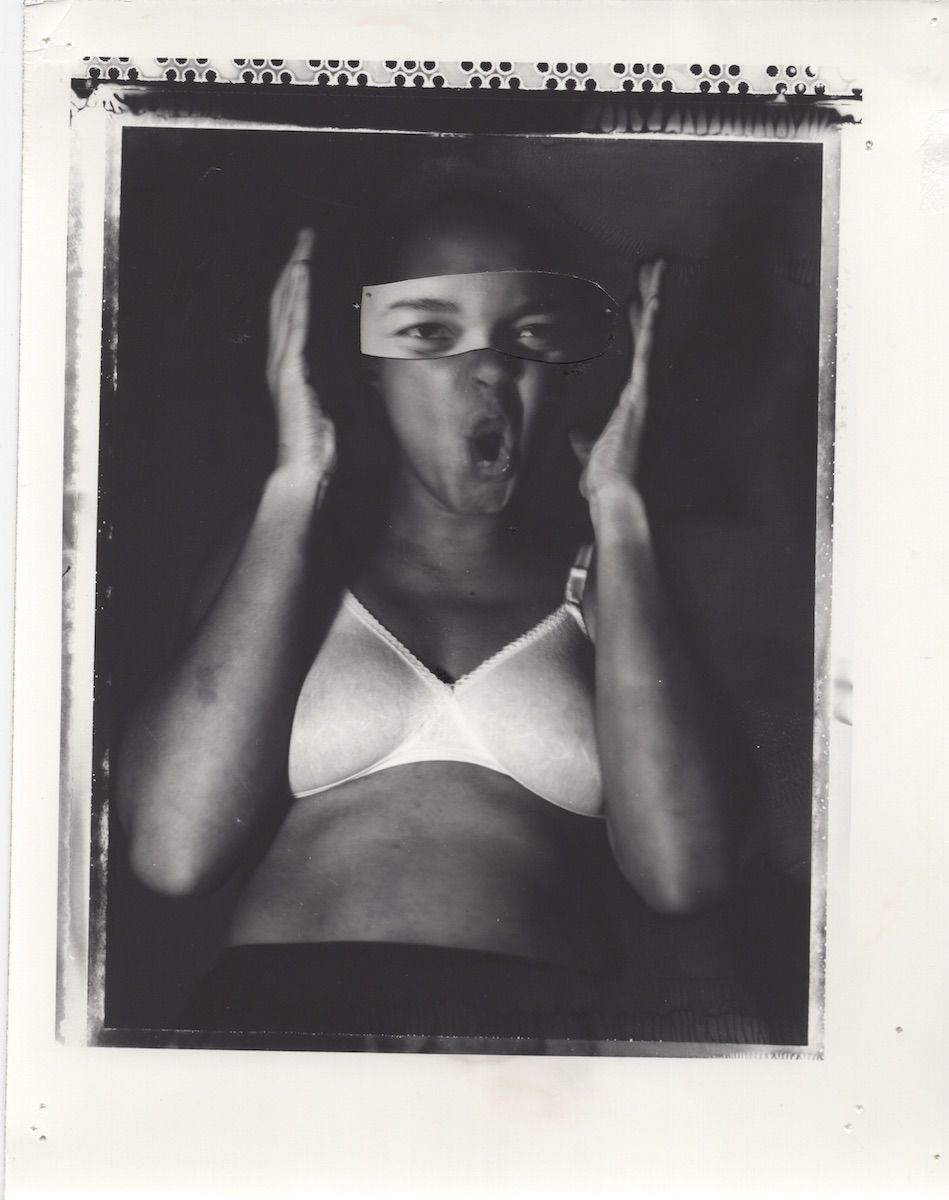
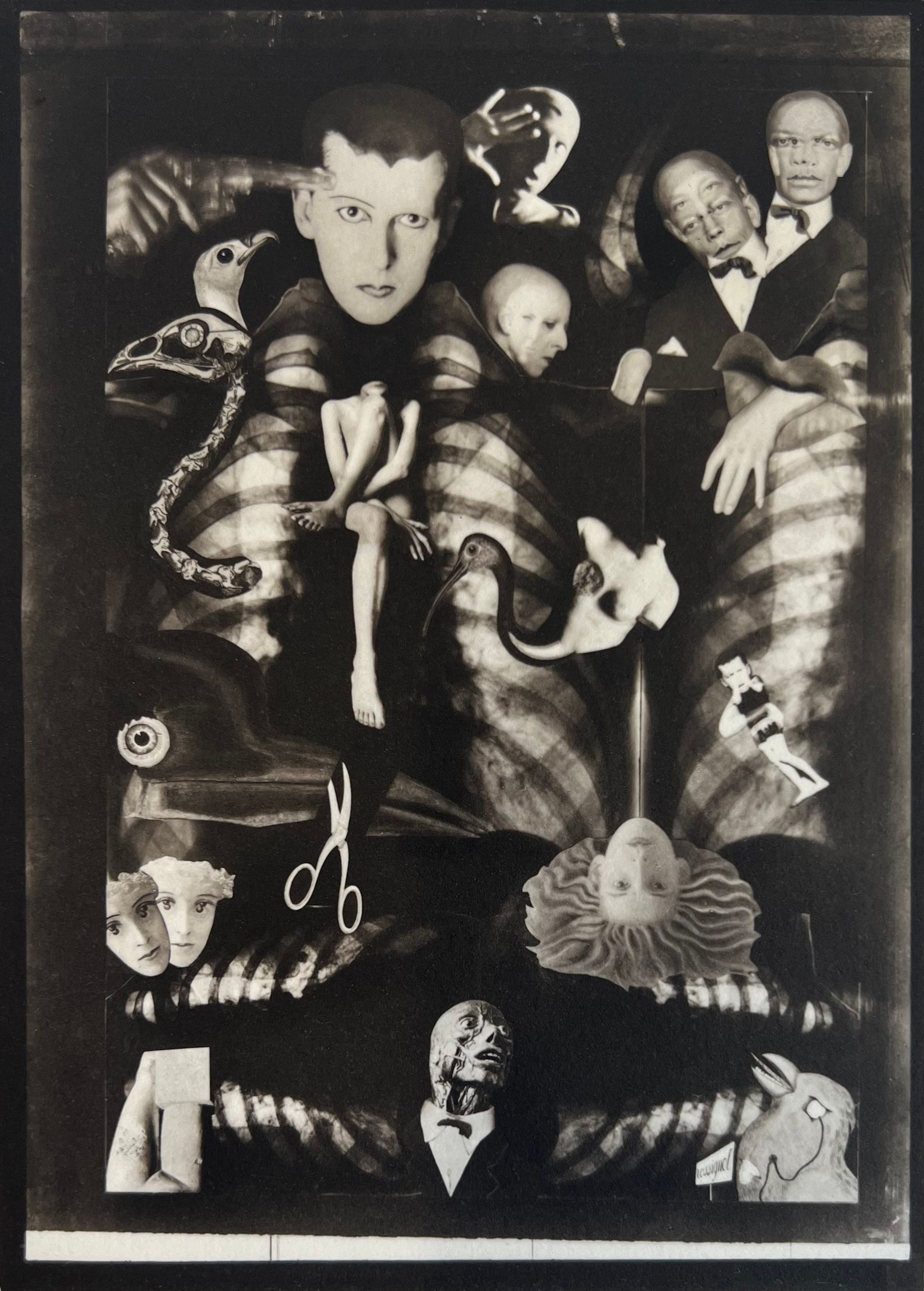
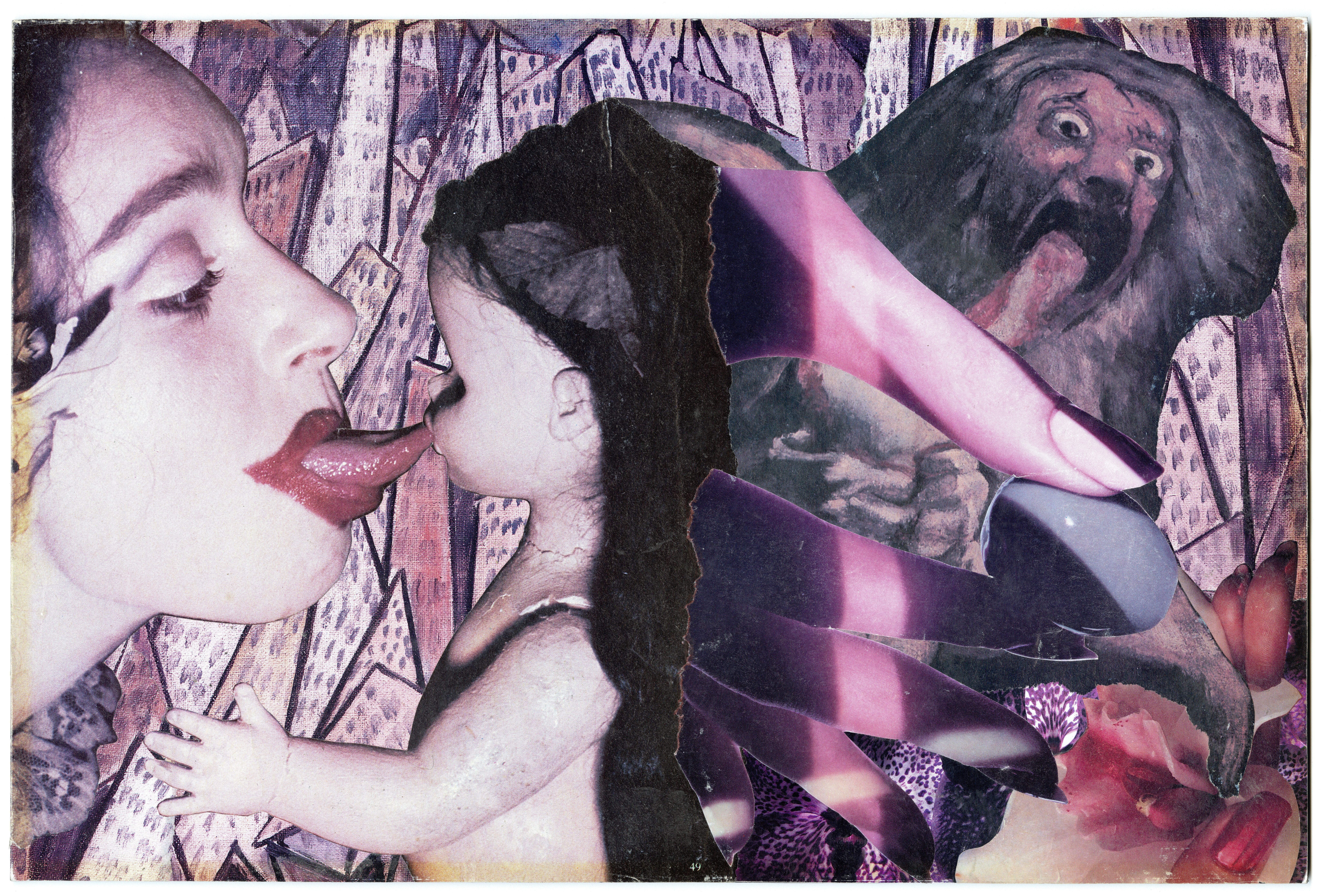
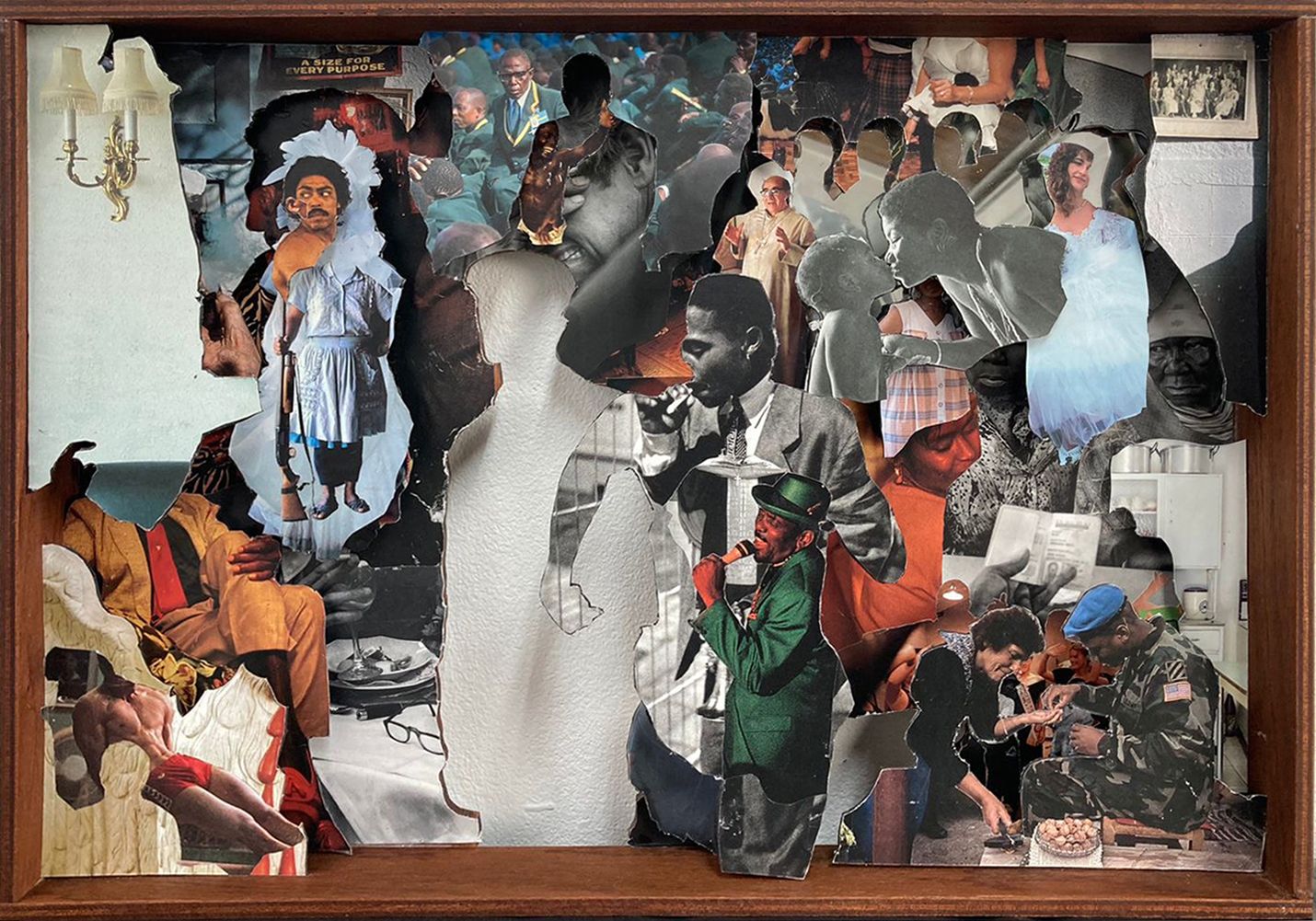
Graces Mews presents What Rose from the Cut, a group show exploring feminist strategies of collage.
Developed collectively between Graces Mews, curator Fiona Rogers, artist Justine Kurland, and collaborator and collector Sarah Miller Meigs, the exhibition reflects the gallery's interest in photographic process and the circulation and interpretation of images.
The exhibition brings together two significant bodies of research: Fiona Rogers' publication Cut Out: A Feminist History of Photo Collage, Montage and Assemblage (Thames & Hudson and V&A, 2026) which traces the previously untold relationship between photography, feminist art and collage, from the 19th century to the present day; and Justine Kurland and Sarah Miller Meigs' exhibition and publication The Rose (lumber room, 2025), which expands this history of collage through ideas of circular genealogy and kinship formed through association. What Rose from the Cut features international artists whose approach to collage amplifies and contextualise one another, forming a constellation that extends our collective vision of social, political and spiritual possibilities.
Collage has long been a feminist strategy: a way to disrupt; to salvage, reuse and repair everyday objects; to patch together a liveable world. Cunts with a kitchen knife, these foremothers cut and stuck their way out of dominant narratives, making room for histories that had been foreclosed and futures yet to be imagined.
The visual language of collage has provided a means for artists to express perspectives that address the present through positing alternative futures. Artists including Giana De Dier, Stephanie Syjuco and Frida Orupabo make use of visual materials that directly refer to photography’s complicity with imperial and colonial pasts, reconfiguring fragments anew in relation to the historical narratives from which they have been extricated. Claude Cahun, Tee Corinne and K8 Hardy have used collage to create spaces of queer possibility, while Martha Rosler and Mari Katayama’s montage strategies challenge norms surrounding representation and social capital.
This exhibition recognises the engagement of British artists with collage, whose commitment to diverse, often intersectional causes including feminism, class struggle and anti-colonial politics has guided collage’s distinctive association with resistance movements in British visual culture. From Maud Sulter and Lubaina Himid’s involvement with the black arts movement to the punk affiliations of Gee Vaucher and Linder, the legacies of such radical practices has shaped collage strategies adopted across more ephemerally distributed forms, including the publications Spare Rib, Banshee, Shocking Pink and Shrew.
The exhibition highlights artists for whom the physical process of image construction — cut out, torn apart, ripped open or sliced off — are directed towards reparative rather than violent ends, allowing for interventions that extend our understanding of heritage, identity and history beyond the limits of archives, to foster a new sense of belonging and conditions for seeing the world otherwise.
Included Artists: Lotte Andersen, Genesis Baez, Anne Bean, Claude Cahun, Tammy Rae Carland, Leonora Carrington, Moki Cherry, Tee Corinne, Giana De Dier, Jazz Grant, K8 Hardy, Lubaina Himid, Kati Horna, Hannah Hughes, Liz Johnson Artur, Mari Katayama, Zofia Kulik, Justine Kurland, Linder, Dakota Mace, Spandita Malik, Alix Marie, Jacky Marshall, Aspen Mays, Qiana Mestrich, Joiri Minaya, Helina Metaferia, Rachelle Mozman Solano, Yamini Nayar, Frida Orupabo, Gina Osterloh, Martha Rosler, Sarah Sense, Sheida Soleimani, Maud Sulter, Keisha Scarville, Penny Slinger, Annegret Soltau, Divine Southgate-Smith, Sitaara Stodel, Stephanie Syjuco, Dafna Talmor, Thato Toeba, Gee Vaucher, Remedios Varo, Bindi Vora and Carla Williams.
Fiona Rogers is the V&A Parasol Foundation Curator of Women in Photography. A curator and writer specialising in feminist photographic histories, she is the author of Cut Out: A Feminist History of Photo Collage, Montage and Assemblage (Thames & Hudson, 2025) and founder of Firecracker, a platform supporting women in photography. Her work has played a significant role in expanding scholarship around photography, collage and feminist practice.
Justine Kurland is an artist whose practice spans photography and collage. Her work has been exhibited internationally and is held in major public collections including the Museum of Modern Art, the Whitney Museum of American Art and the National Gallery of Art, Washington. Her recent publications, The Rose: A Circular Genealogy of Collage (2025), and SCUMB Manifesto (2022) have significantly expanded contemporary conversations around feminist collage, genealogy and the evolving language of photography.
Sarah Miller Meigs is the founder of the lumber room, based in Portland, Oregon, a site for contemplation, dialogue, and exchange around contemporary art. It is the home of the Miller Meigs Collection, which shares the Lumber Room’s core mission of supporting and investing in women and other underrepresented artists. Miller Meigs co-curated The Rose with Justine Kurland and continues to support it in this new iteration at Graces Mews.