31st July–19th September 2026
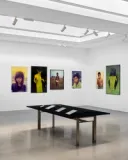
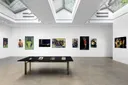
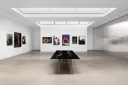
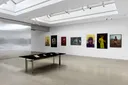
Graces Mews is pleased to present Youth, a solo exhibition by Chardchakaj Waikawee (b. 1980).
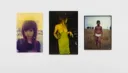
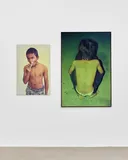
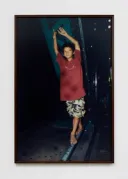
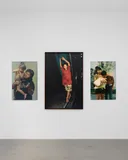
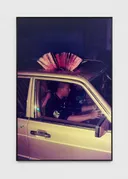
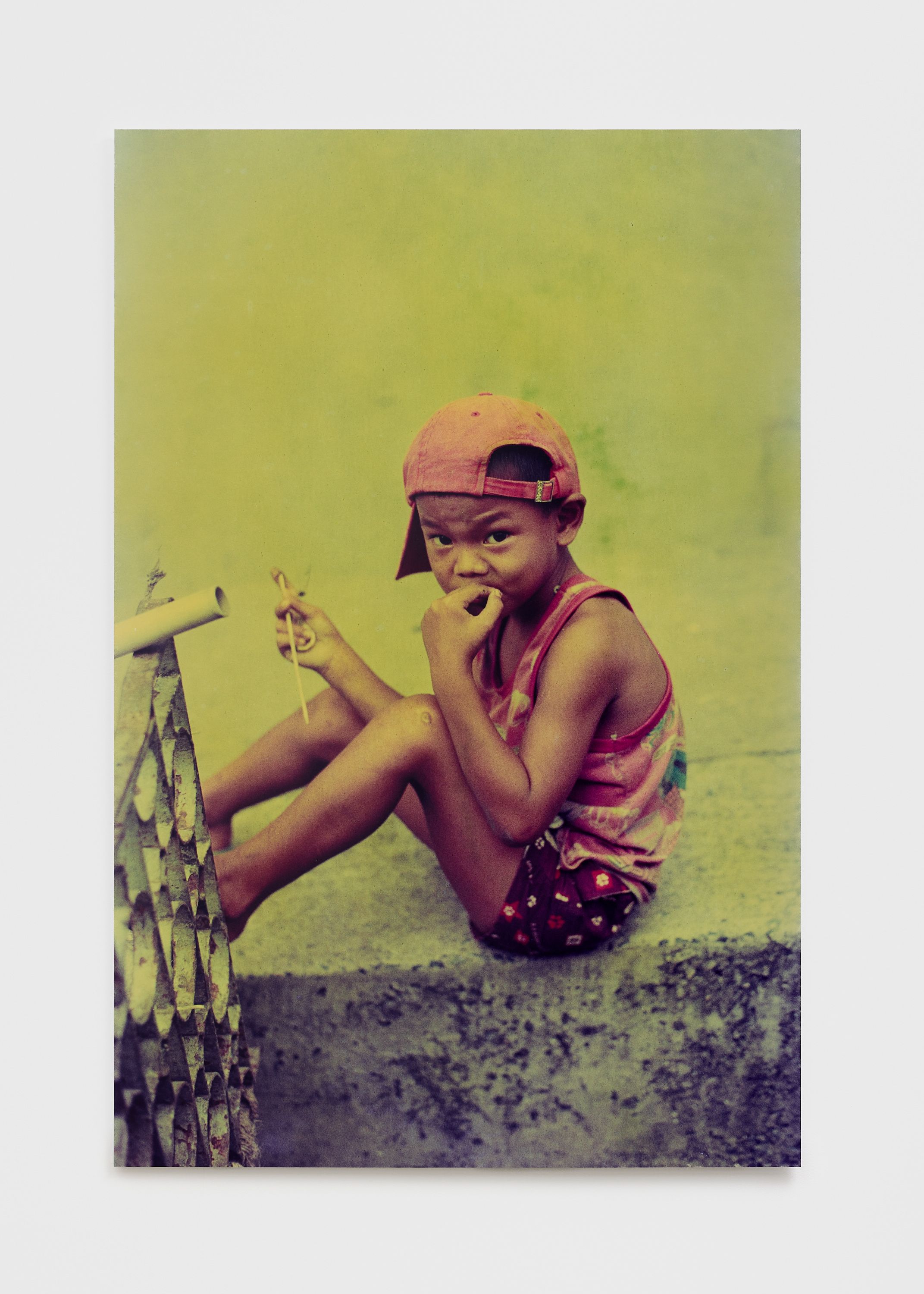
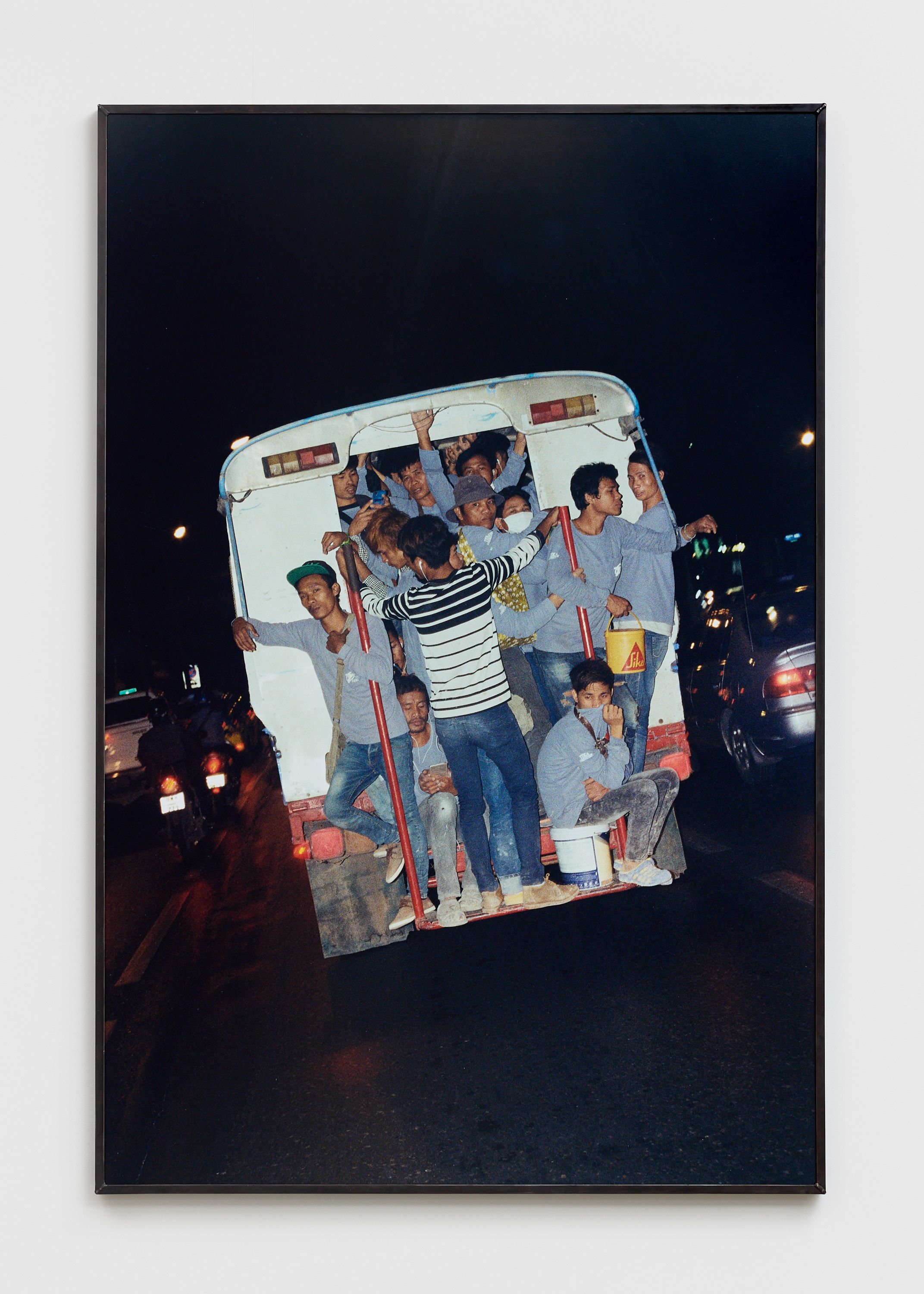
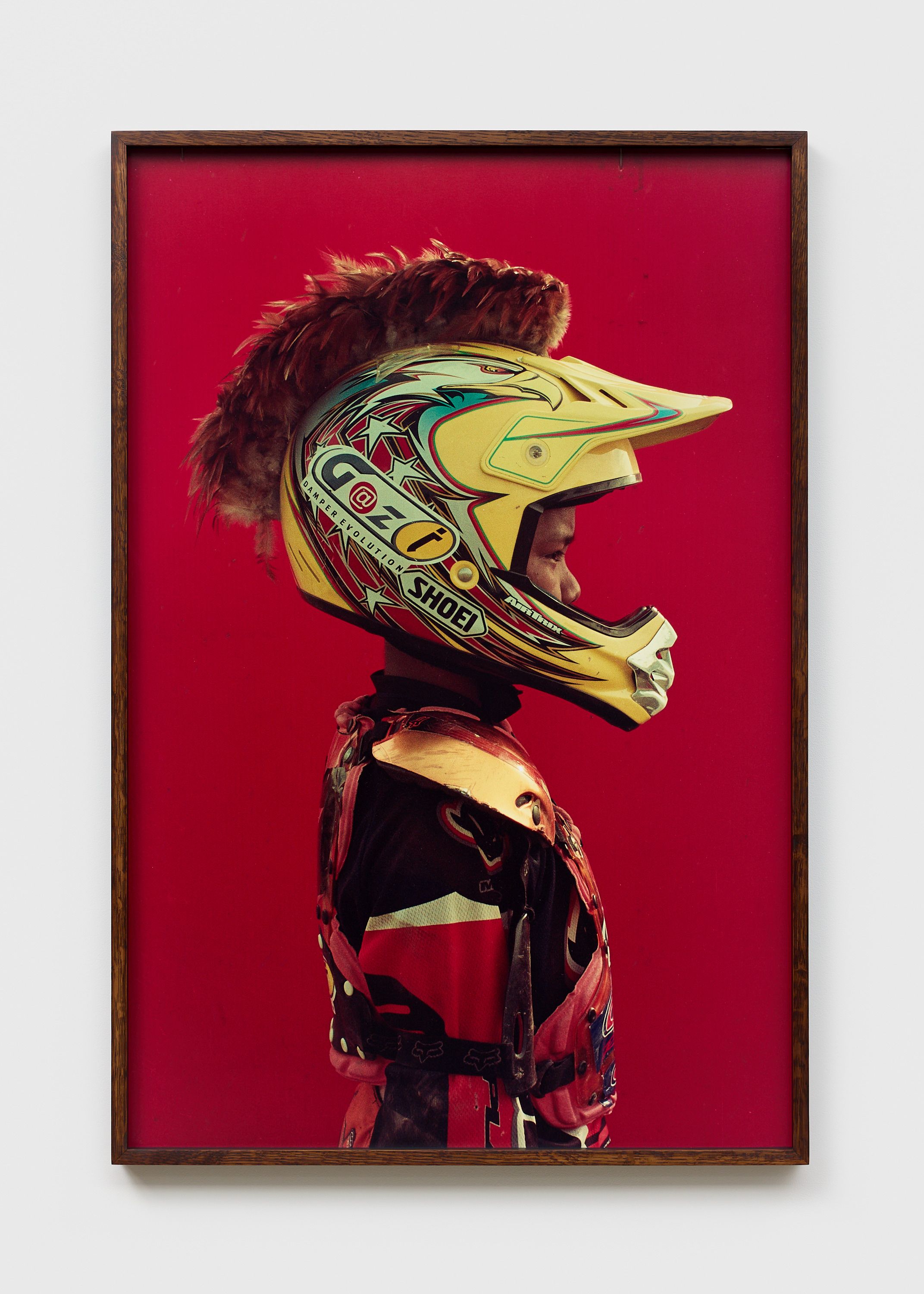
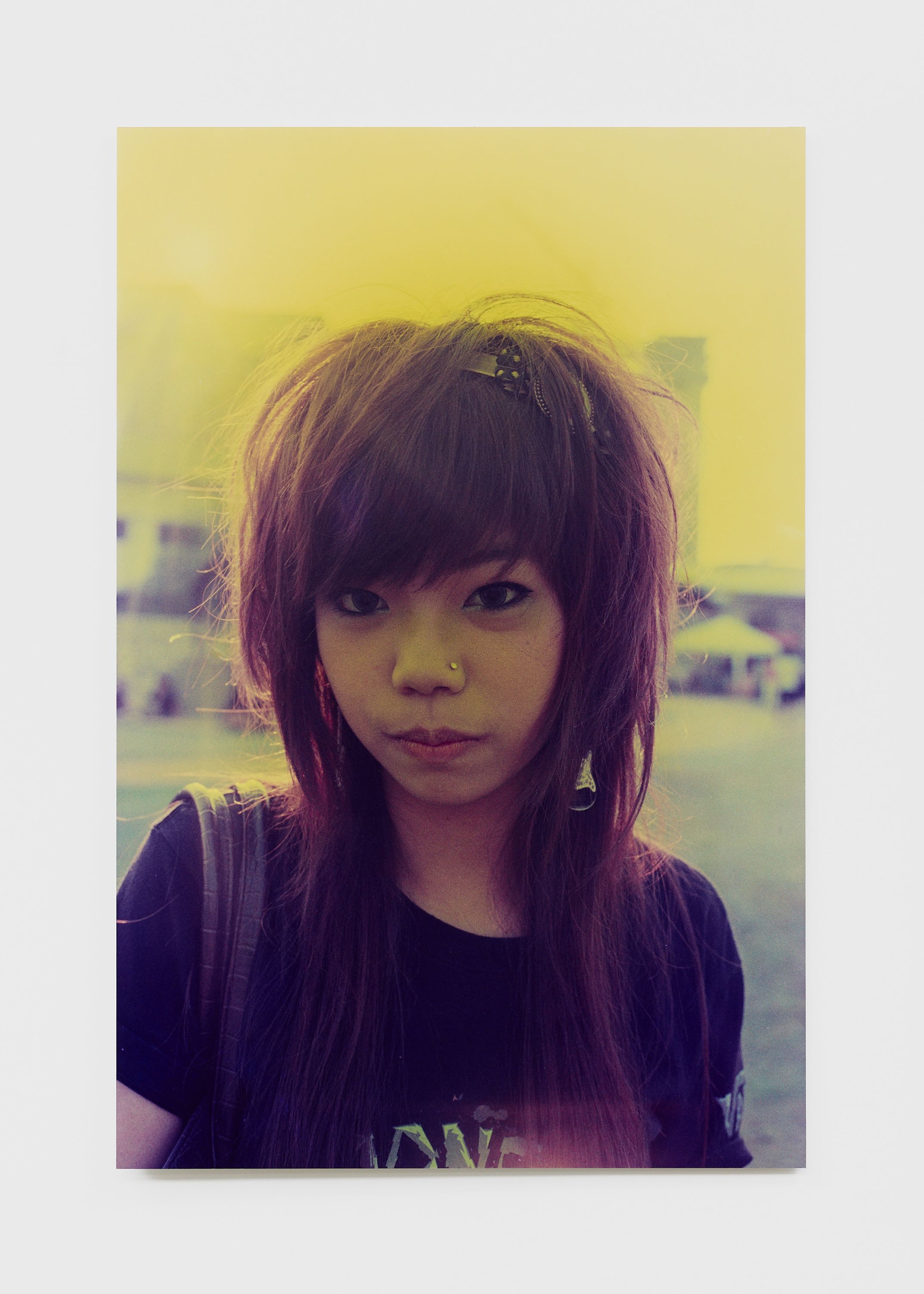
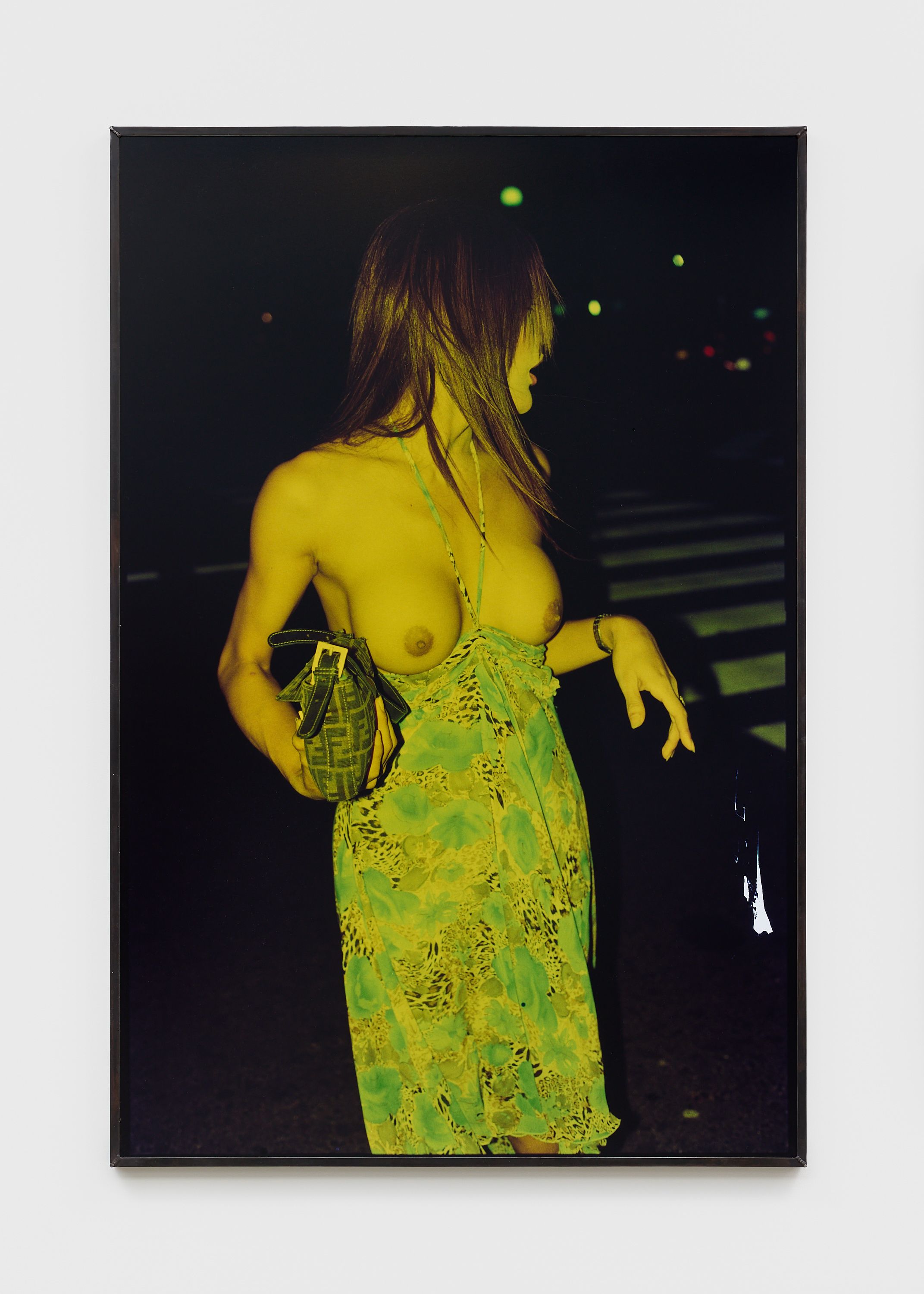
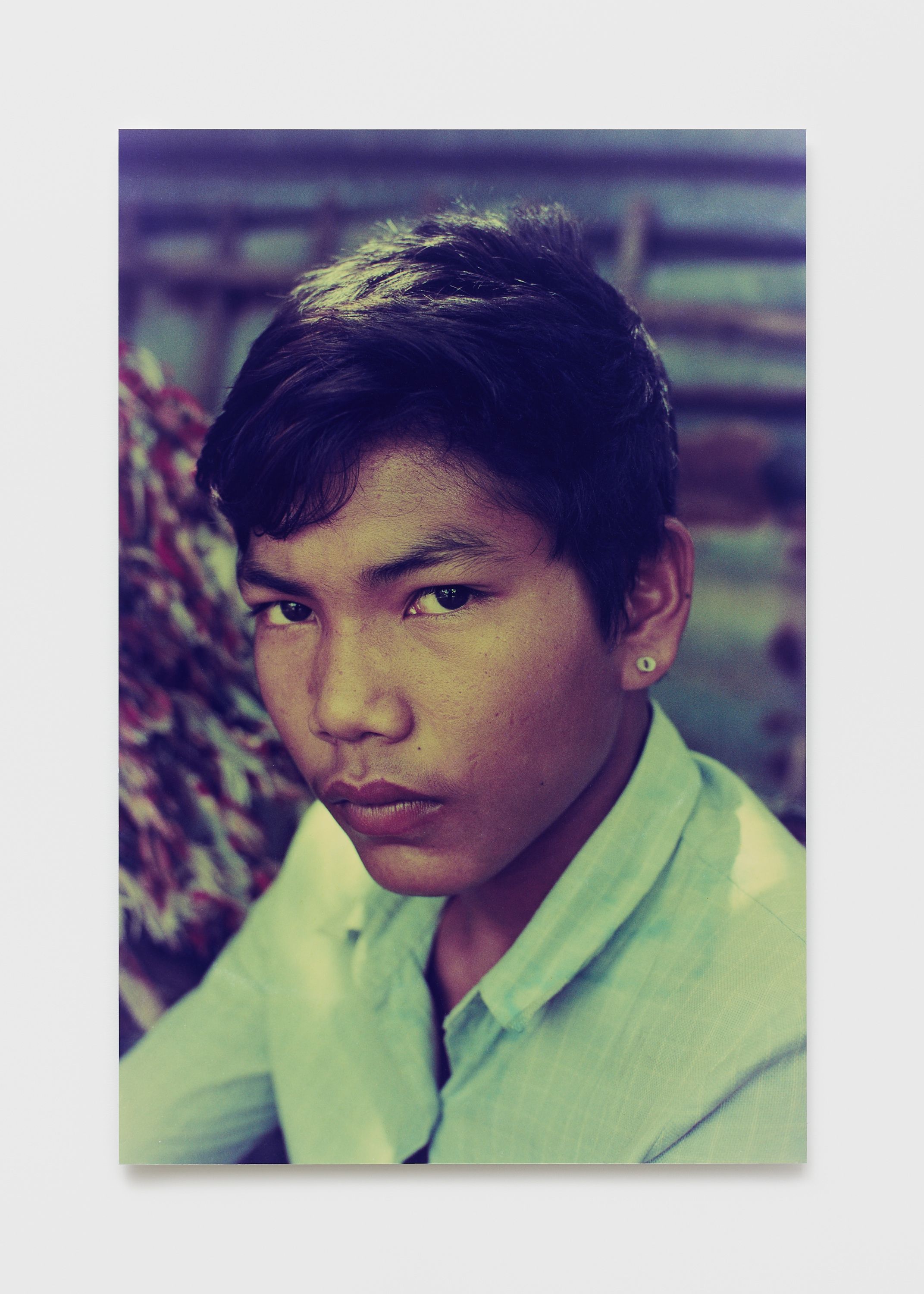
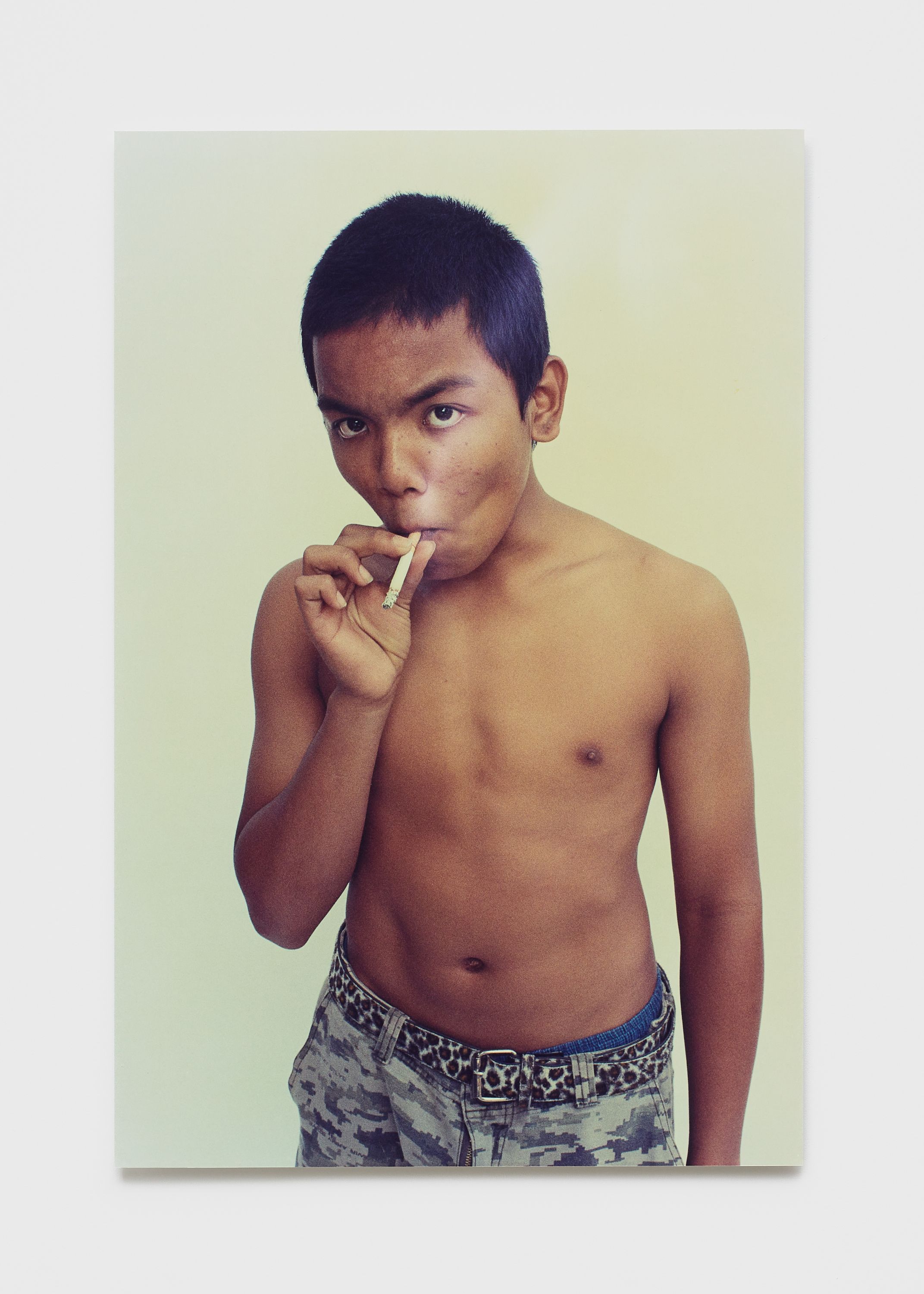
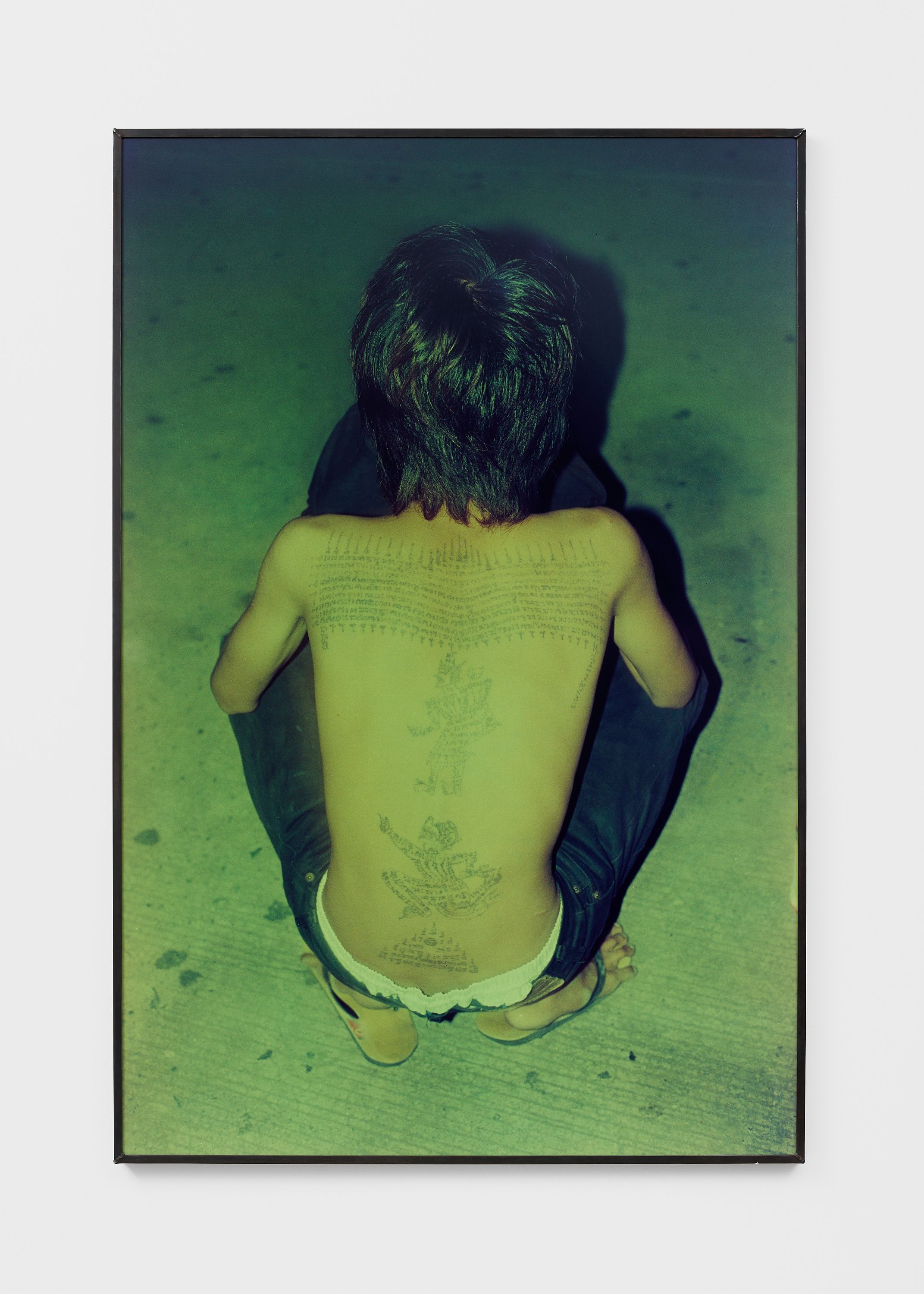
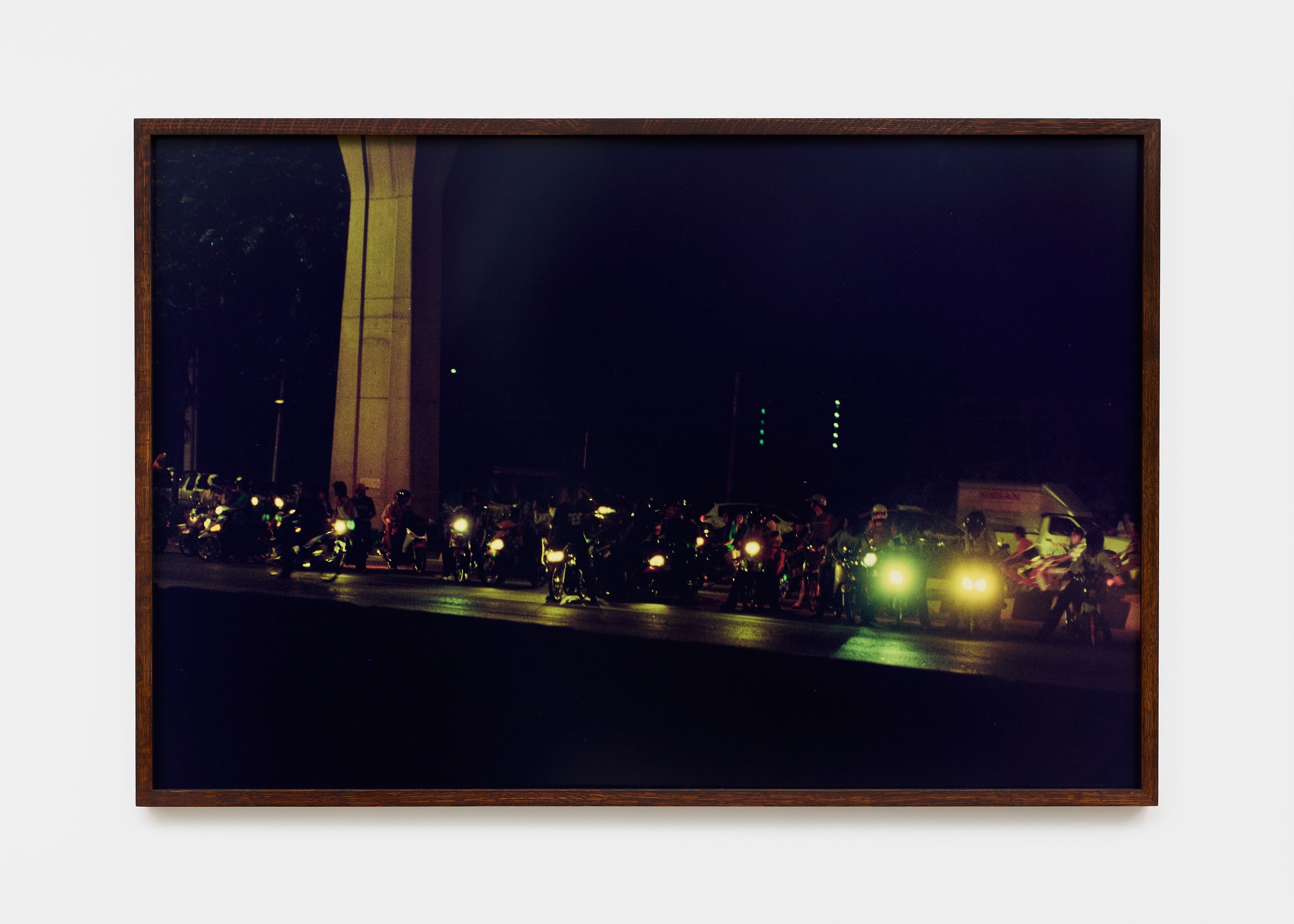
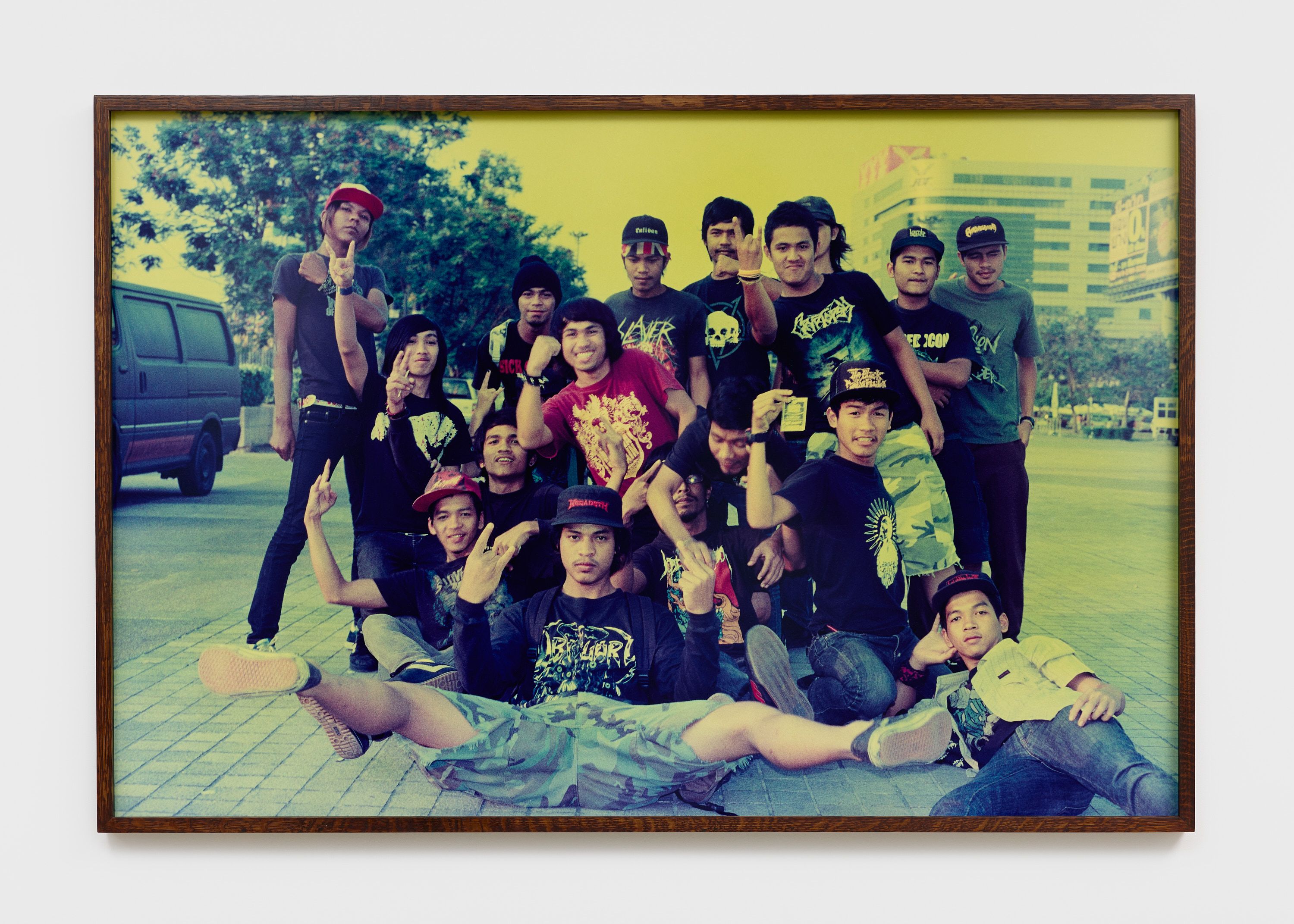
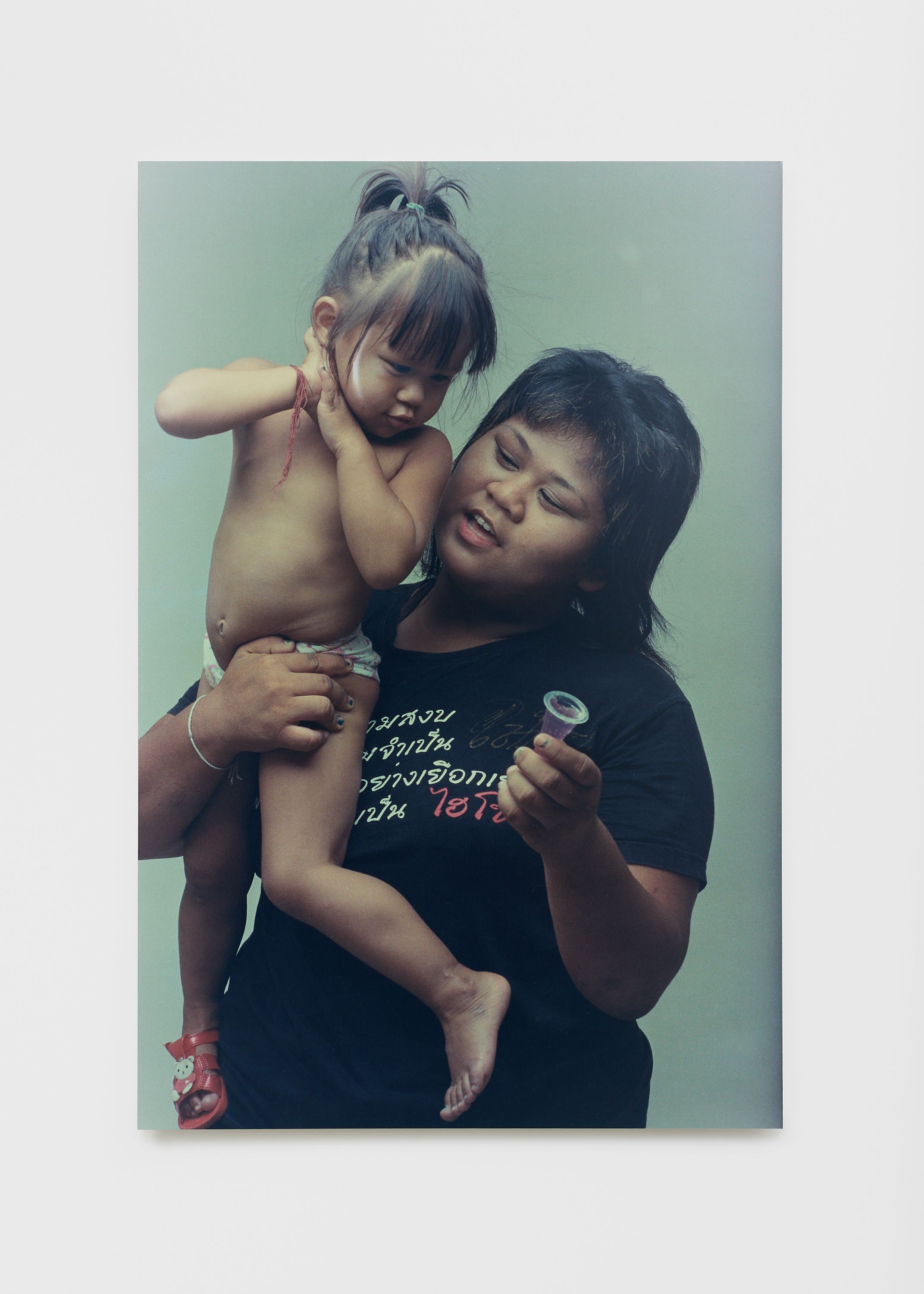
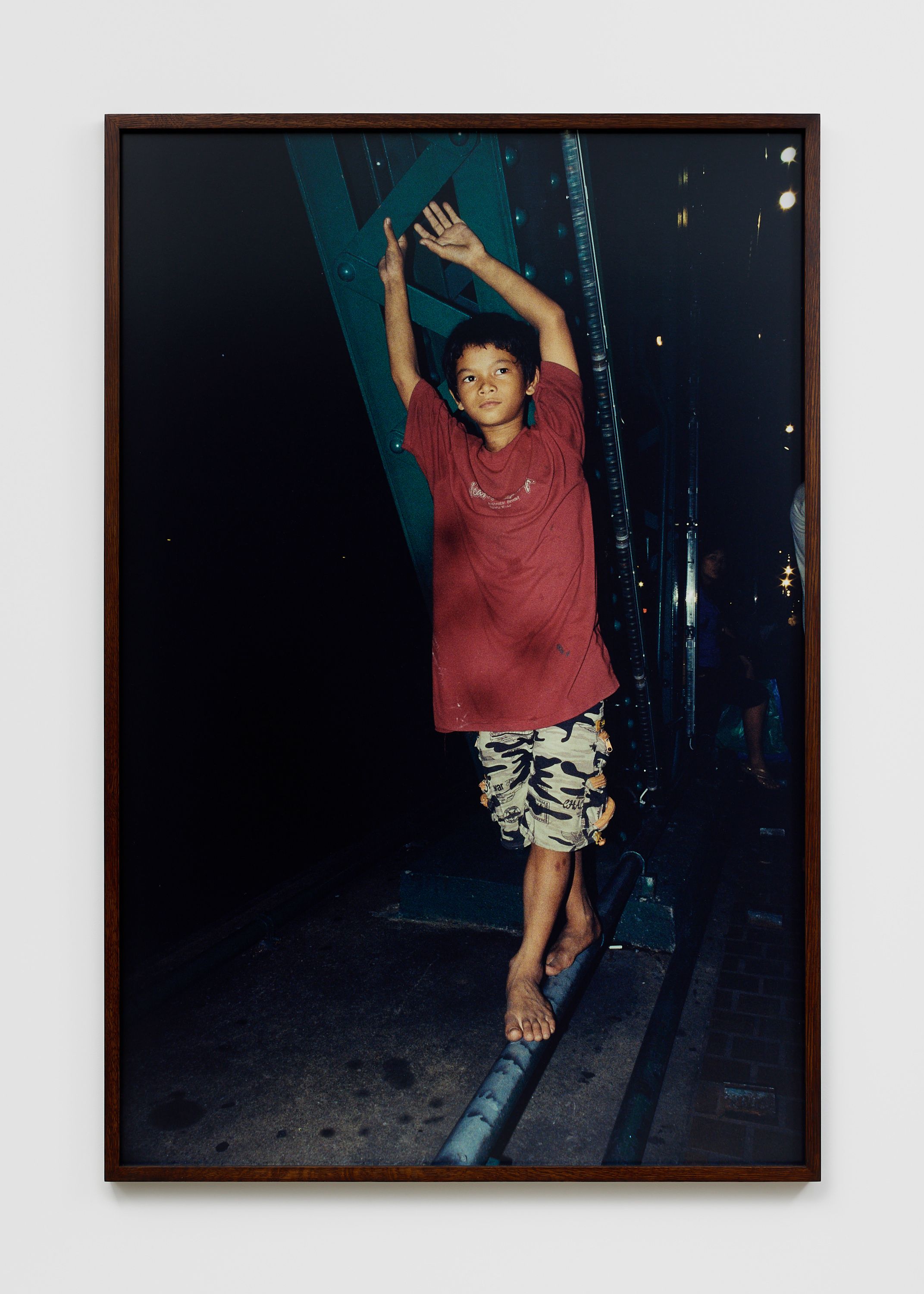
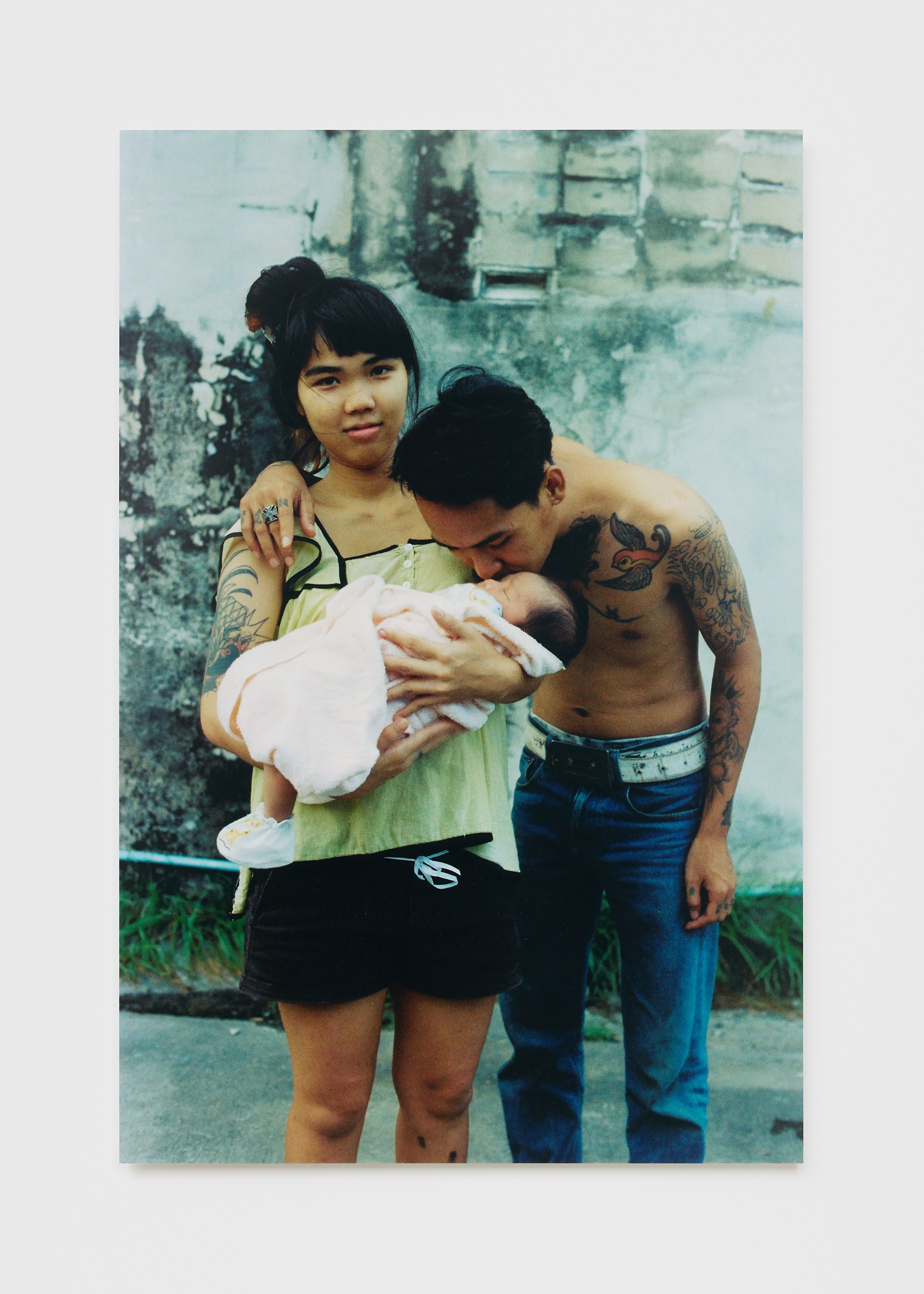
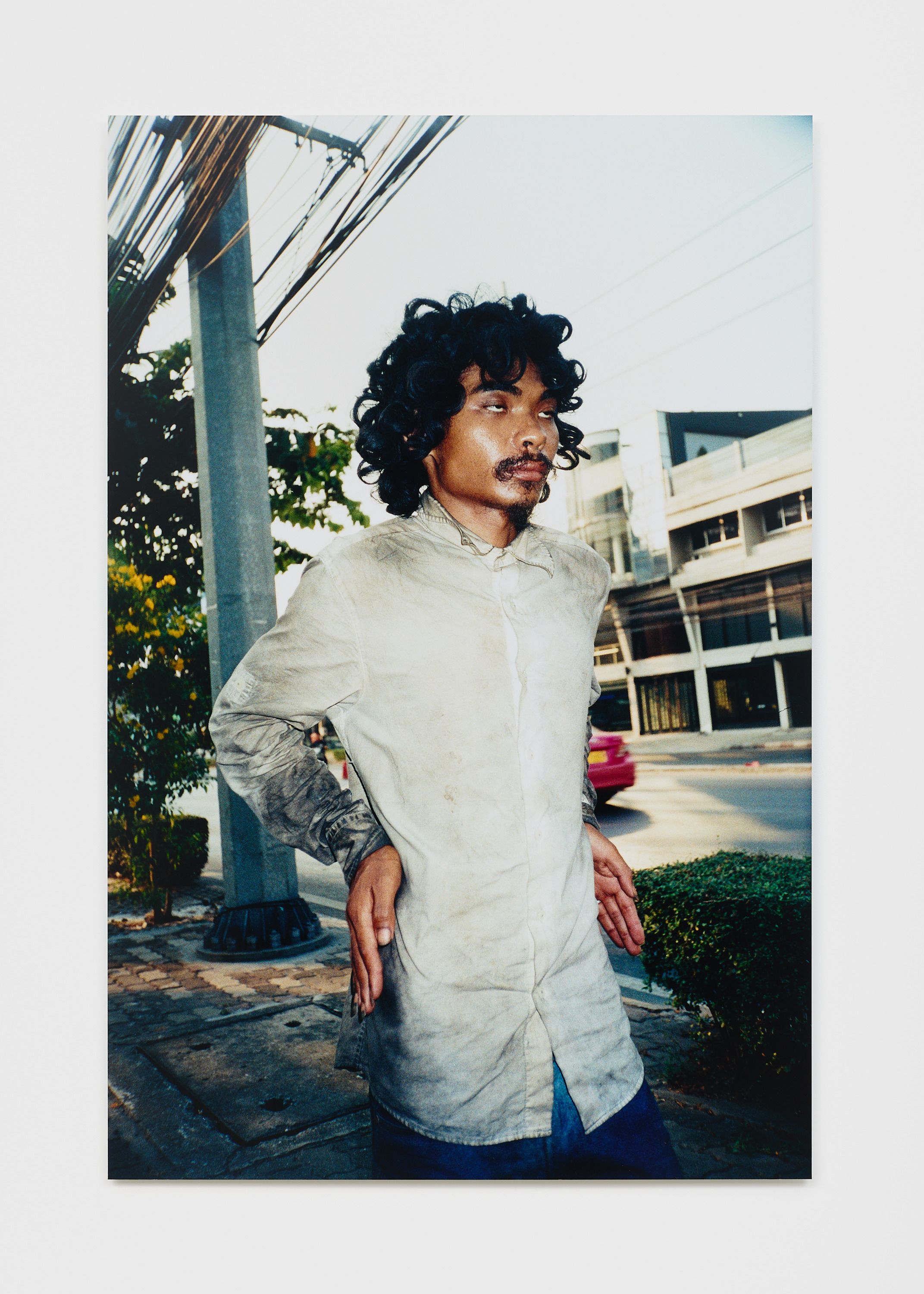
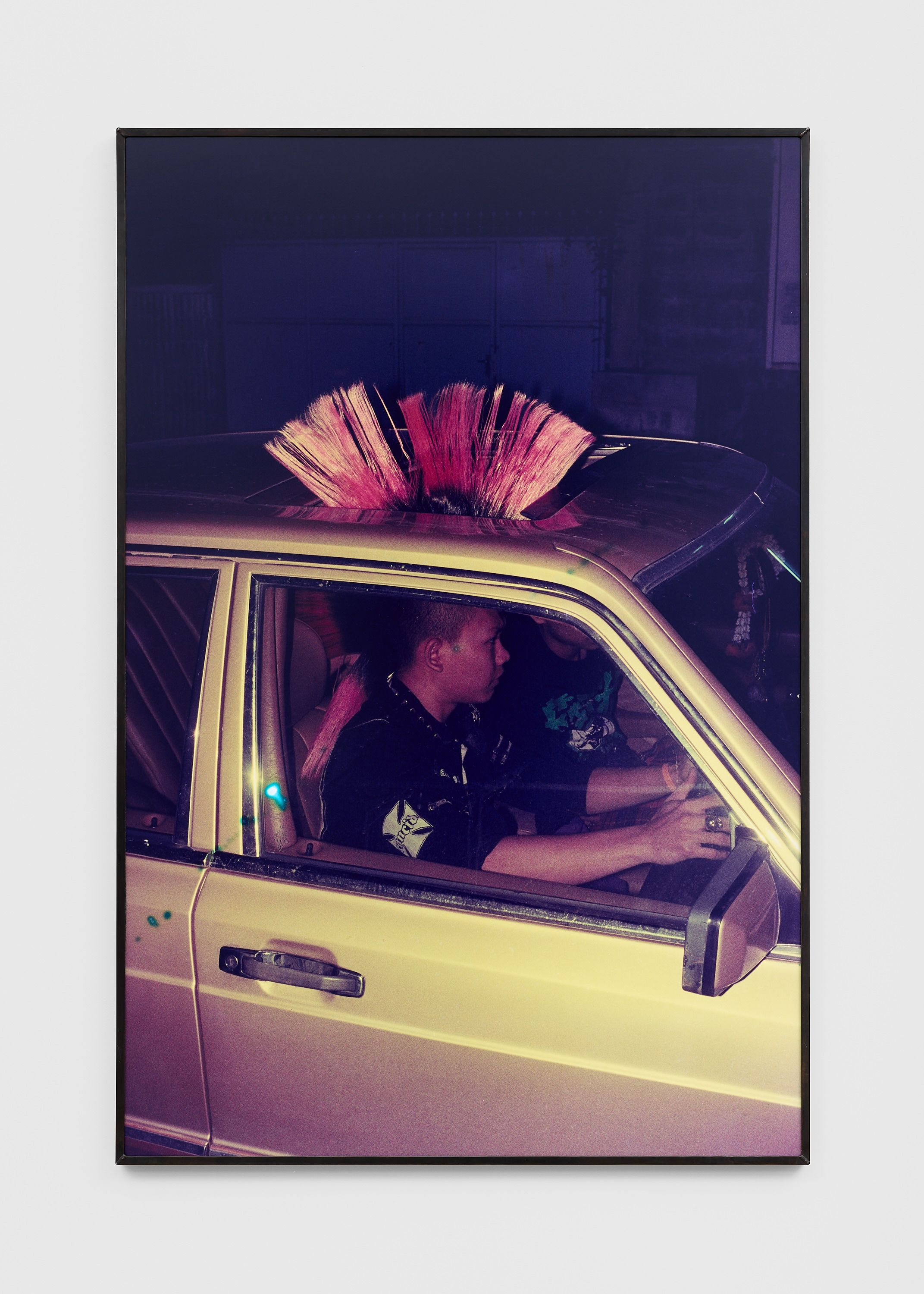
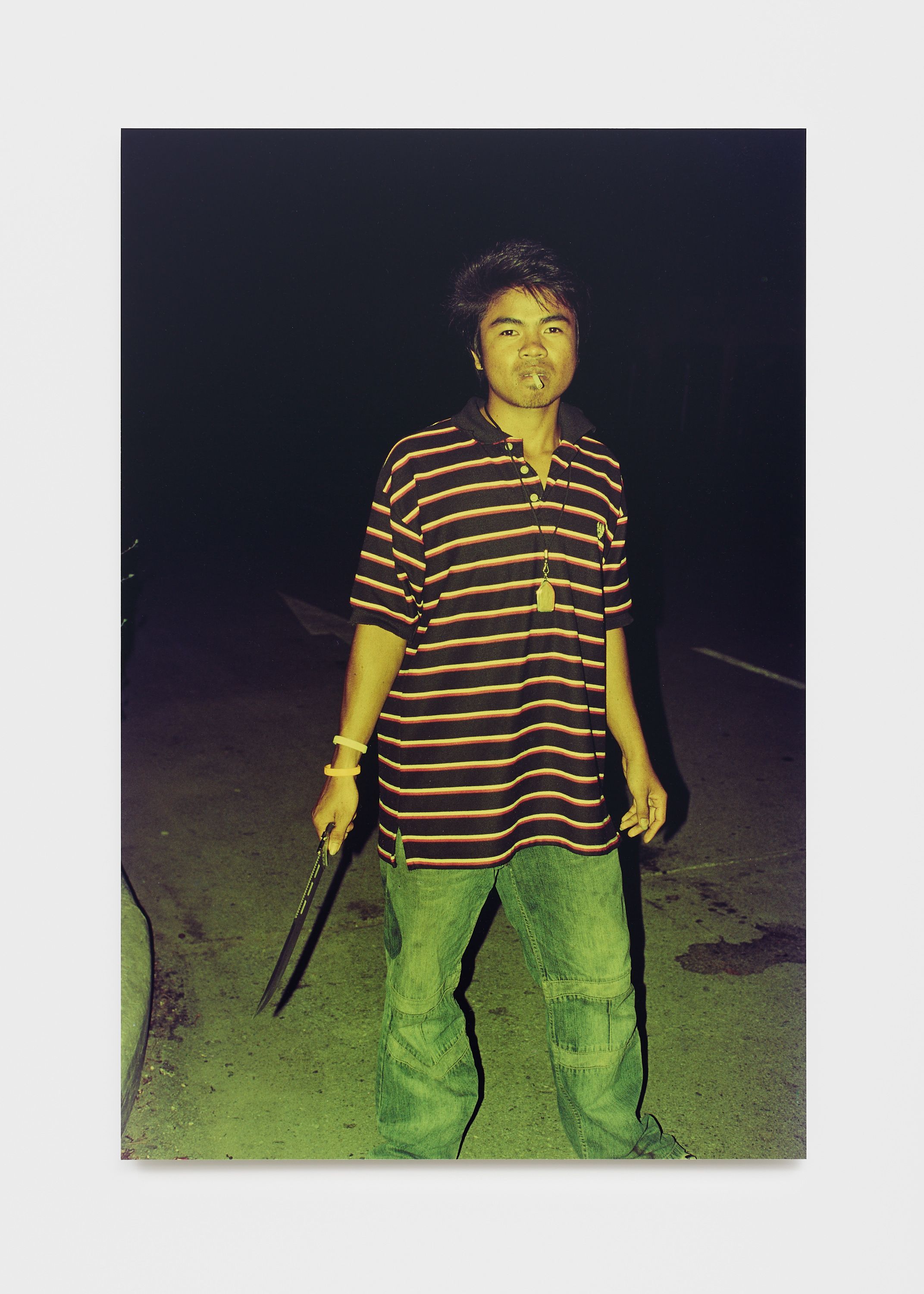
The exhibition takes it’s title from the Thai phrase wai run, a term that extends beyond a simple description of age, evoking youth as a spirit, an attitude, a way of inhabiting the world. It suggests a condition of continual movement; identities, images and histories remain open rather than settled. Bringing together a body of analogue, handprinted photographs taken between 2008 and 2020, the exhibition presents portraits of people living on the margins of Bangkok's streets, individuals often rendered invisible due to circumstance, or economic position. Here, youth is understood less as a demographic than as a capacity for adaptation, reinvention and resilience within a city shaped by rapid urbanisation, global consumer culture and enduring spiritual traditions.
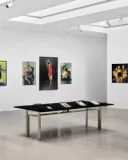
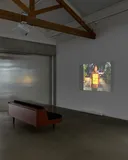
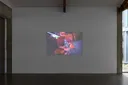
The exhibition opens with a film portrait of Waikawee, introducing the artist's life, practice and philosophy of photography. Continuing as an auditory backdrop throughout the exhibition, the film positions the photographs firmly within the artist's own reflections on memory, time and value.
Waikawee’s photographs resist the conventions of documentary realism. Each portrait emerges from an encounter: some are the result of fleeting interactions on the street, others of relationships nurtured over many years. Rather than reportage, the work privileges intimacy, trust and reciprocity. Waikawee is not interested in hardship as spectacle, instead the work attends to the ways identity is continually composed through gesture, style, belief and every day acts of perseverance.
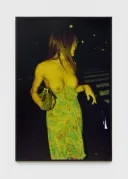
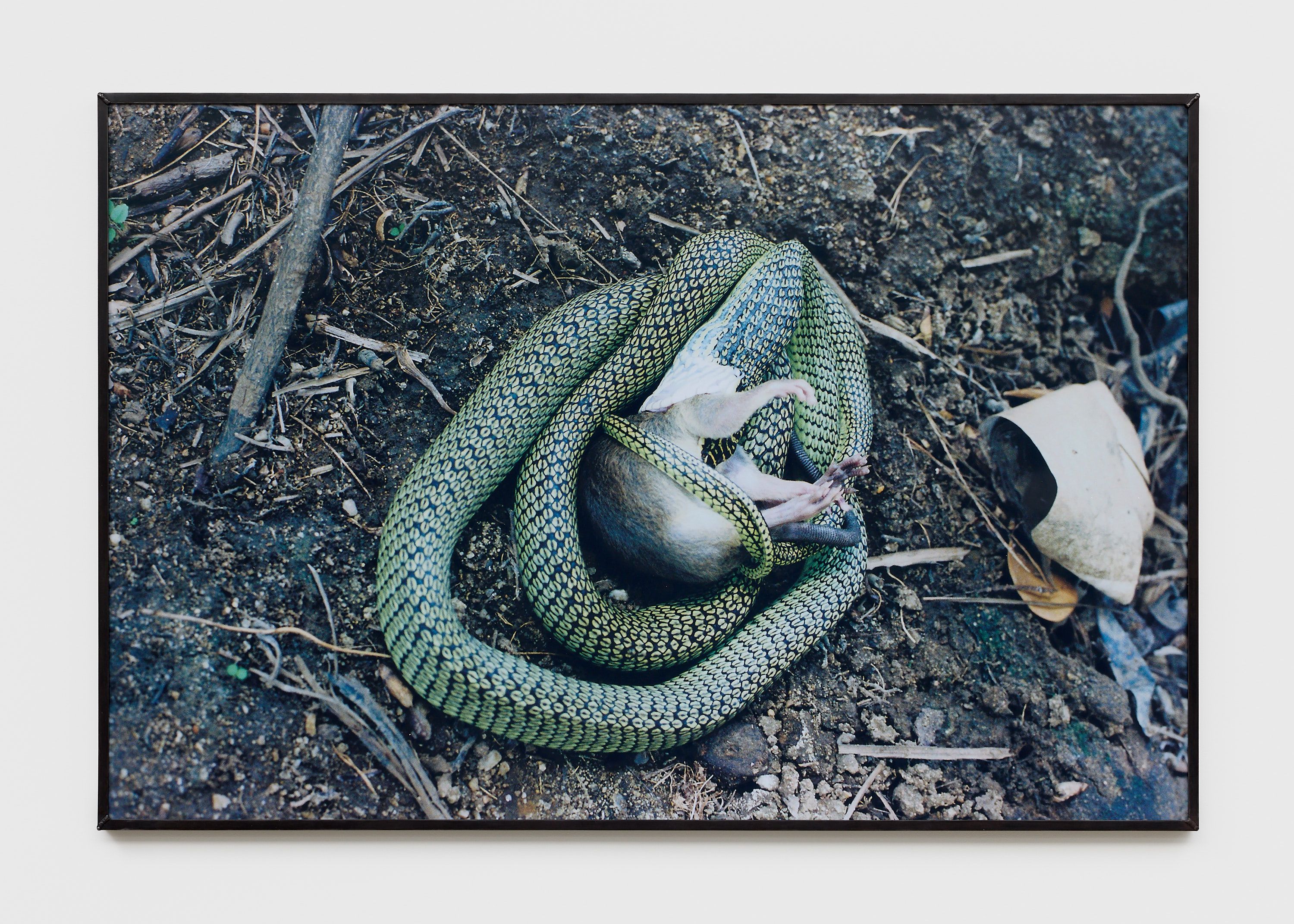
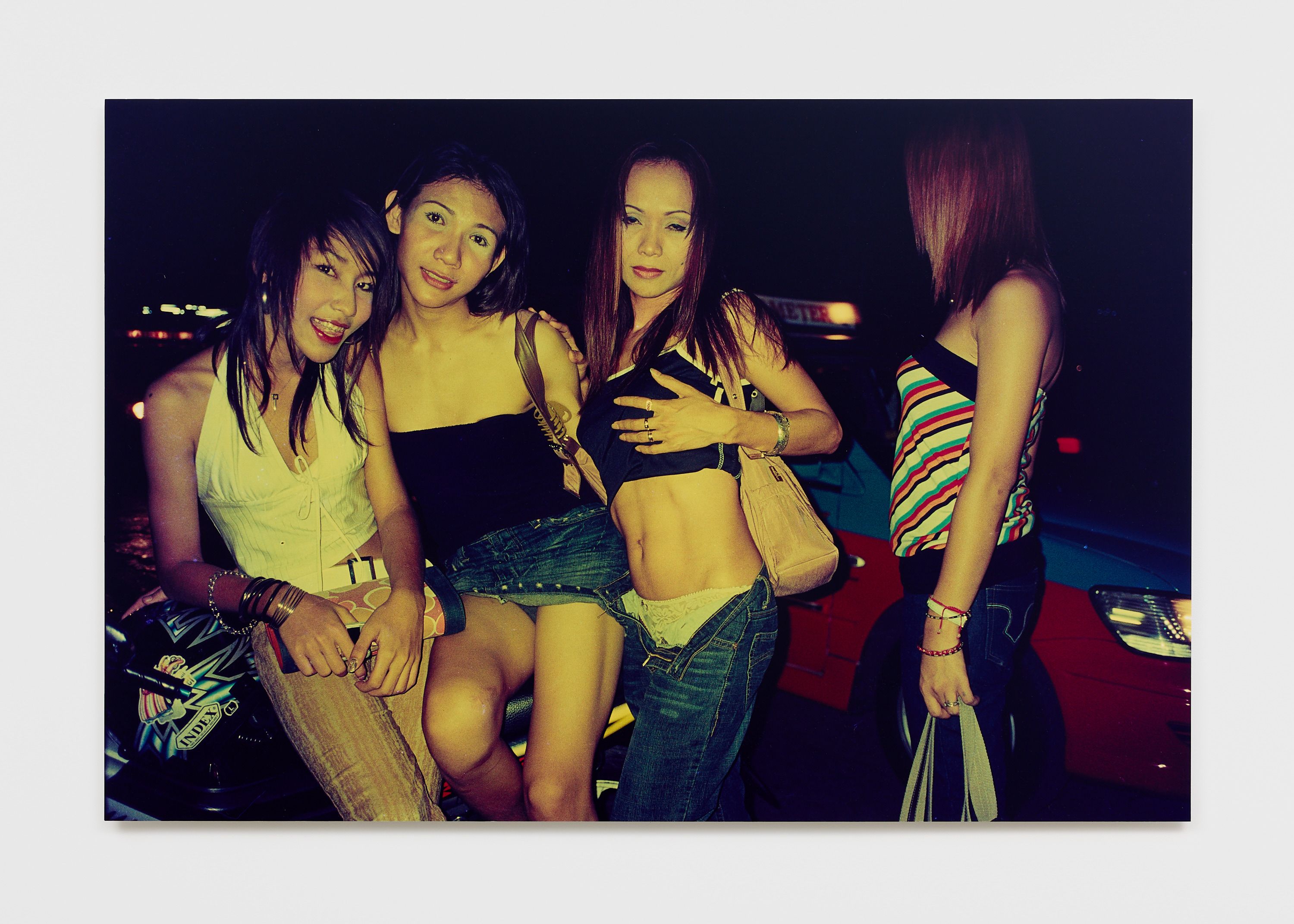
Working with expired film, improvised cameras and hand-printing techniques, Waikawee embraces uncertainty as a creative condition. Cross-processing introduces unpredictable shifts in colour, while negatives retain their scratches, dust and chemical traces. These are not imperfections to be corrected, but records of time – evidence of the photograph's own passage through the world. The resulting photographs are saturated with lime, magenta and orange tones, responding to rather than eliminating the volatility of analogue processes. The images feel intensely alive, animated by a process that privileges spontaneity, accident and transformation over technical perfection, an approach that mirrors the ethos of Youth’s subjects.
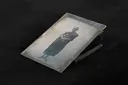
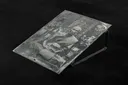
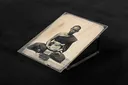
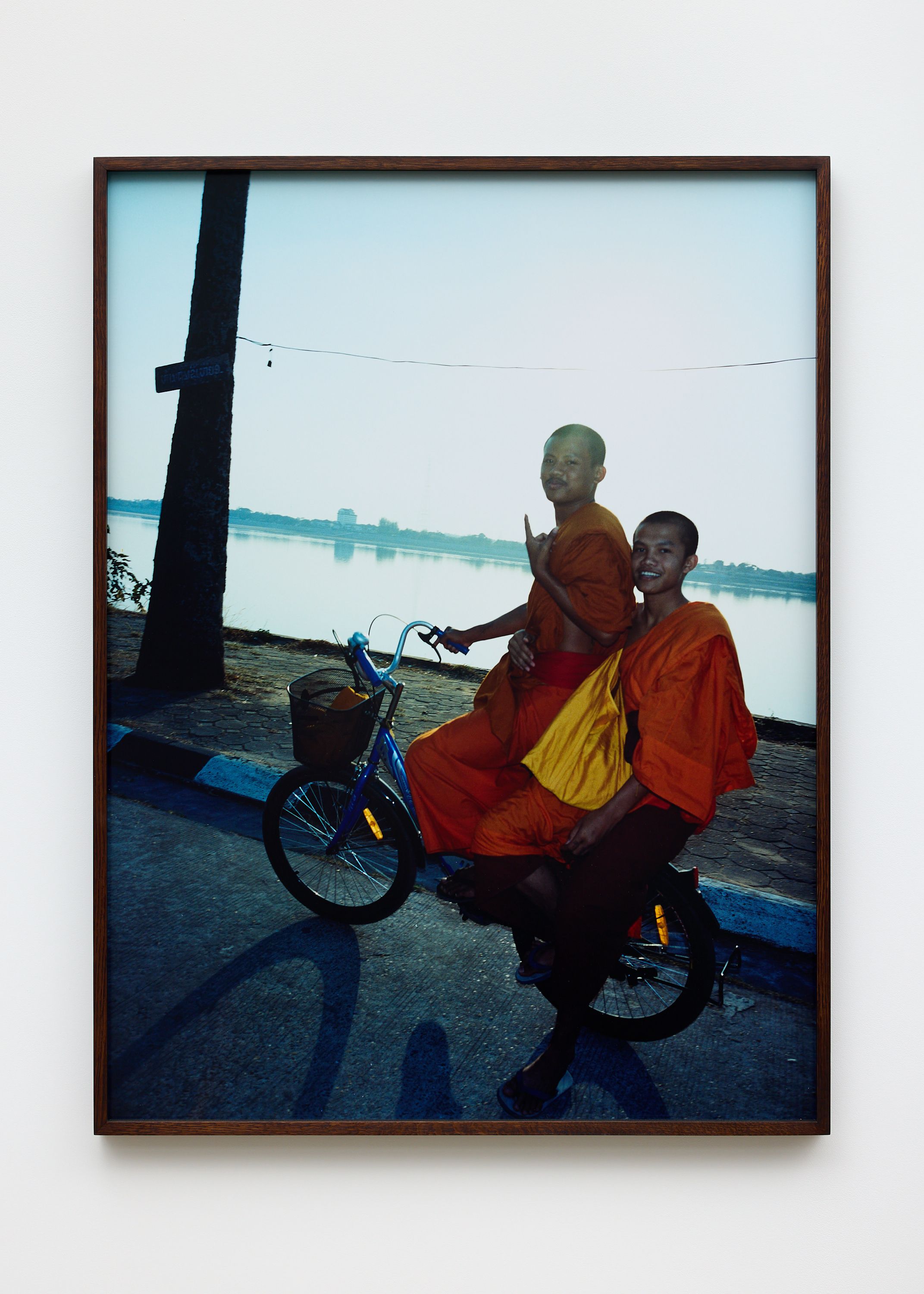
A series of collodion wet plate portraits of Buddhist monks accompany the Youth series. Employing one of photography's earliest and most time-sensitive processes, each plate must be coated, exposed and developed before the emulsion dries. Positioned centrally in the exhibition, the works offer a quiet counterpoint to the hand-printed colour photographs that line the surrounding walls. Though separated by more than a century of photographic technology, both bodies of work surrender a degree of control to time, chemistry and touch, allowing the image to remain visibly shaped by the conditions of its making.
Waikawee foregrounds the effortless style of his subjects: shades, hats, watches, jewellery, mohawks and low-slung dresses. These details trace the circulation of a global visual culture, yet are continually reworked through the realities of life in Bangkok. Such acts of self fashioning become declarations of presence, allowing individuals to construct their own image of themselves and assert a sense of shared agency within the world. Party culture, too, is approached in this spirit. Waikawee brings into focus the communities, friendships and alternative families that emerge around these social spaces, paying attention to the forms of care and belonging they produce. Each of Waikwee’s portraits emerges from an encounter. Some are the result of fleeting interactions on the street, others of relationships nurtured over many years. Each image reflects a relationship before it becomes a photograph.
Through both subject and method, Youth becomes an alternative archive of Bangkok. Rather than preserving the stories that official histories choose to remember, Waikawee's photographs hold space for lives that rarely enter public memory. Together, they present a portrait of the city shaped by those who move through its streets, build communities and continue to imagine and build lives for themselves beyond the systems that seek to define them.
Artist Biography
Chardchakaj Waikawee (b. 1980, Bangkok, Thailand) is a photographer whose practice spans street photography, portraiture and experimental analogue processes. Working primarily with film, Waikawee uses expired materials, improvised equipment and DIY processing techniques to produce his distinctive, saturated colour palette. His work foregrounds communities and individuals often overlooked within mainstream representations of Thai society, creating an alternative archive of lives that history and official records leave behind. Waikawee has exhibited internationally, including at Cordy House, London (2009); Arthouse Gallery, Bangkok (2011); Saatchi Gallery, London (2011); Bangkok Art & Culture Centre, Bangkok (2012); FOAM, Amsterdam (2014); Little Big Man, Los Angeles (2014); and Another Man, Paris (2025).
Artworks
Publication
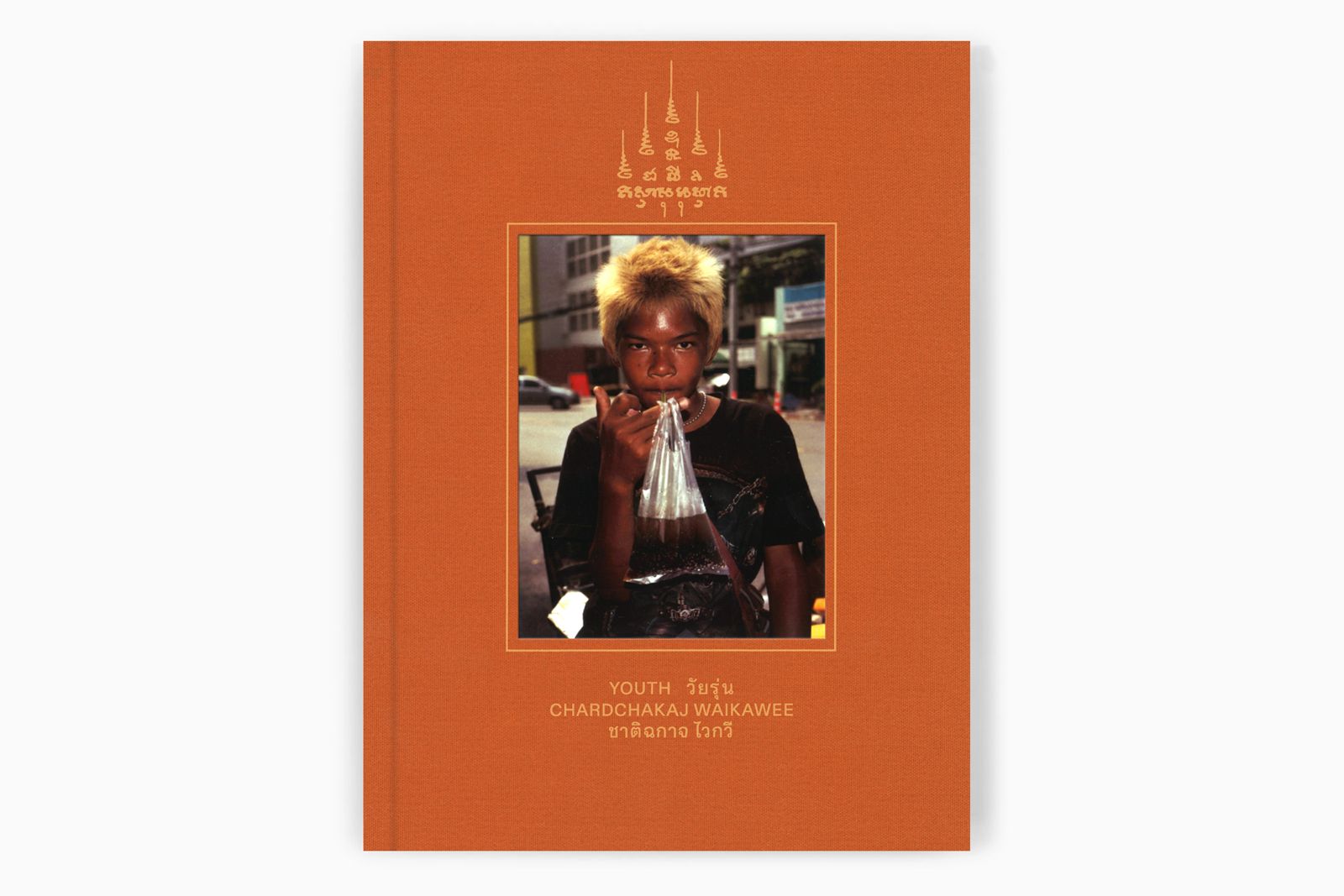
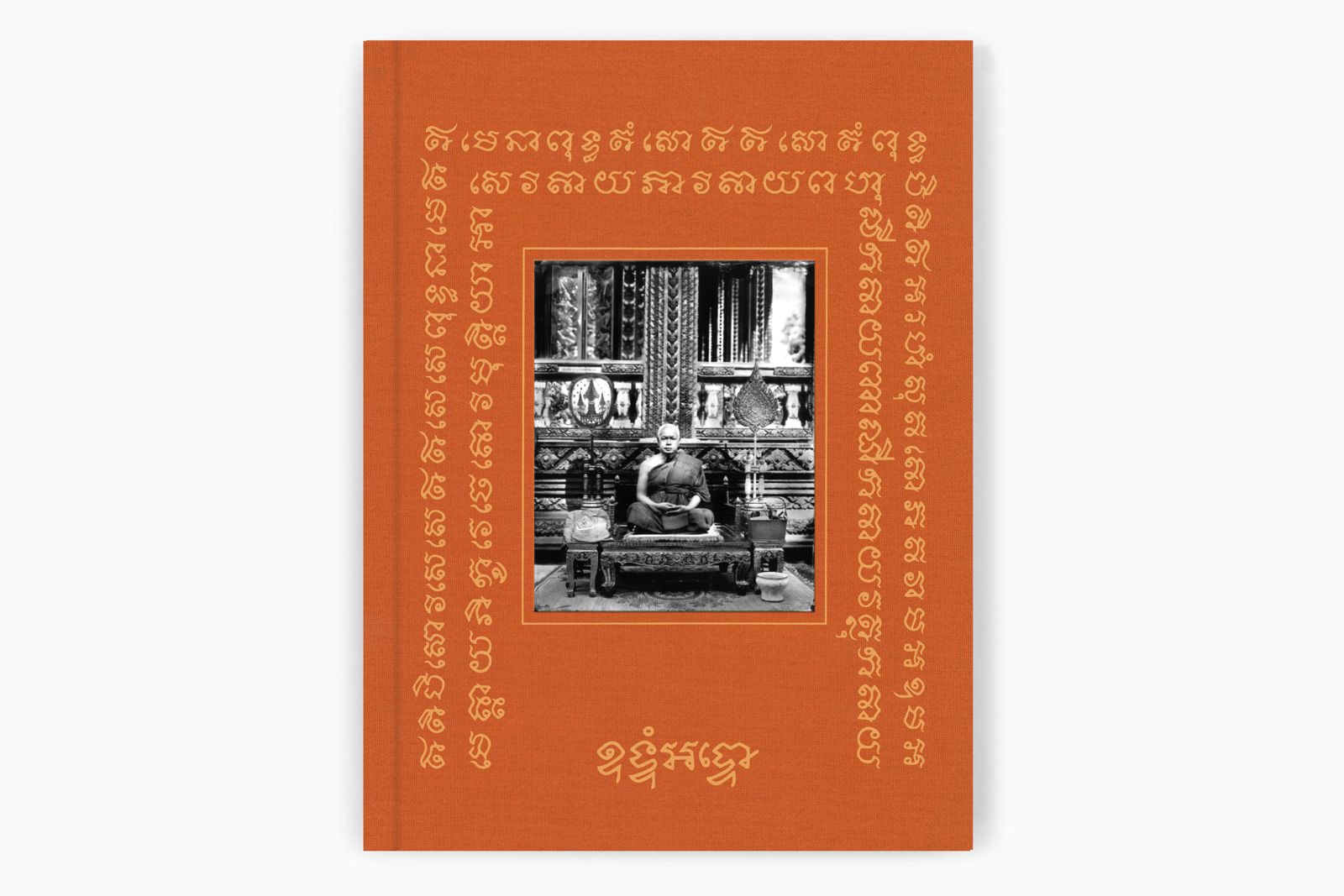
YOUTH presents an alternative archive of Bangkok through portraits of people living on its margins. Produced between 2008 and 2020, this project traces Waikawee's long-term engagement with communities across Bangkok, while showcasing his photographic practice shaped by expired film, improvised equipment and DIY processing techniques, that results in his distinctive, saturated colour palette.
The publication ends with a contrasting series of collodion wet plate portraits of Buddhist monks. Although separated by a century of photographic technology, both projects demonstrate Waikawee's commitment to process, materiality and the visible traces of image-making, as well as drawing unexpected parallels between two distinct systems of belief, resilience and ways of inhabiting the world.
Contributing texts by Chardchakaj Waikawee, Rachel Harrison (Professor of Thai Cultural Studies, SOAS) and Thanes Wongyannava (Thai Sociologist, Bangkok)
Events
Press
- Plaster Magazine: Chardchakaj Waikawee’s restless portraits of Bangkok
- Dazed: Chardchakaj Waikawee’s electric portrait of youth in Bangkok
- The New York Times: The T Magazine Newsletter
- Wallpaper: London Art Exhibitions to see in August
- Office: Chardchakaj Waikawee's Youth
- The Guardian: August Culture Newsletter
- The Standard: The 8 best independent and alternative art galleries in London
- Blind Magazine: The brazenness of Bangkok’s street youth